

Building a home is a dream—but without the best fee vary planning, it can hastily flip stress. Construction fees regularly go beyond preliminary estimates due to awful planning, interior changes, or unexpected site conditions. A well-defined charge varies no longer entirely continues expenses below management but also ensures smoother project execution.
Whether you’re creating a new home or planning a renovation, these charges vary. Planning guidelines for improvement will aid you in proceeding to be financially organized and guaranteed in the path of the journey.
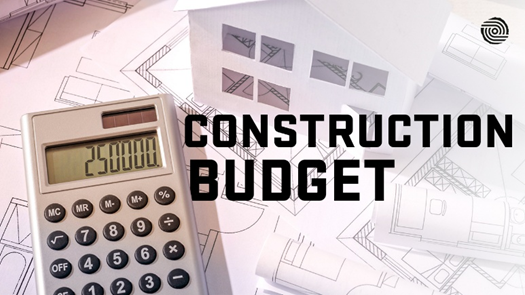
1. Define Your Construction Budget Clearly
Before something else, impact on how much you are inclined to spend—and stick to it. Break your total fee vary into indispensable lessons such as:
- Design & approvals
- Civil construction
- Materials
- Interiors & finishes
- Labour
- Contingency fund
- Having readability from day one prevents impulsive preferences later.
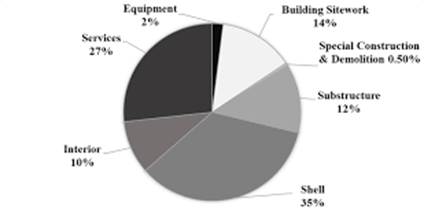
2. Understand the Cost Breakdown
Many homeowners focus fully on the considered improvement costs, but hidden costs can add up quickly. A smart budget ought to include:
- Architectural & structural fees
- Soil testing
- Government approvals
- Electrical, plumbing & waterproofing
- Interior fittings
- Landscaping (if applicable)
- Knowing the area your money helps you prioritise better.
3. Always Keep a Contingency Fund
Unexpected charges are common in construction. Material cost fluctuations, graph changes, or internet web page troubles can increase costs.
Set aside 10–15% of your whole budget as a contingency fund to hold away from financial stress midway through the project.
4. Choose the Right Construction Partner
A knowledgeable improvement business enterprise helps you plan realistically and avoid pricey mistakes. Professionals:
- Provide apparent price estimates
- Suggest the most affordable materials
- Manage timelines efficiently
- Reduce wastage
Choosing the suitable crew might also additionally show up excessive priced at first then again saves money in the prolonged run.
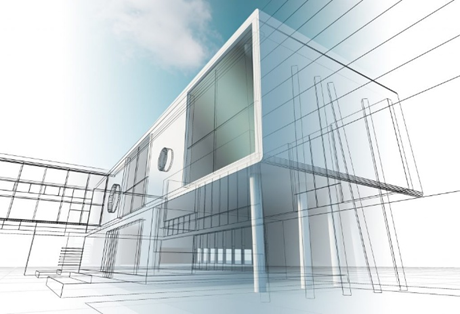
5. Plan the Design Before Construction Begins
Frequent structure changes at some factor of improvement can blow up your budget. Finalise:
- Floor plans
- Elevations
- Structural layout
- Electrical & plumbing points
A designated structure avoids rework, material wastage, and more labour costs.
6. Select Materials Wisely
High cost doesn’t normally recommend immoderate quality. Balance aesthetics, durability, and fee vary by:
- Comparing material options
- Choosing domestically available materials
- Avoiding useless luxurious finishes initially
- You can constantly enhance finishes later, on the other hand sturdy core improvement is non-negotiable.
7. Avoid Over-Customisation
Custom designs, distinctive materials, and complex constructions can drastically prolong costs. If you’re working on a tight budget:
- Keep designs simple
- Use the latest sizes for doors, windows, and furniture
- Focus on overall performance first
- Smart simplicity normally seems better—and costs less.
8. Track Expenses Regularly
Don’t wait until the cessation of assessment spending. Monitor:

- Material bills
- Labour payments
- Stage-wise improvement costs
Regular monitoring helps you seize overspending early and alter before than it emerges as a problem.
9. Phase Your Construction if Needed
If your budget is limited, replicate onconsideration on developing in phases:
- Complete the core structure first
- Add interiors or more rooms later
This technique reduces financial pressure and improves greater cash flow management.
10. Invest in Quality Where It Matters
Trying to store money in all locations can be risky. Never compromise on:
- Structural strength
- Foundation work
- Electrical & plumbing systems
- Waterproofing
- Poor performance in these areas leads to luxurious repairs later.
Final Thoughts
Smart charge vary planning is the backbone of worthwhile construction. With suitable planning, specialist guidance, and disciplined spending, you can assemble a beautiful, long-lasting home without financial surprises.
A constructing mission should feel exciting—not overwhelming. Plan wisely, spend consciously, and assemble with confidence.